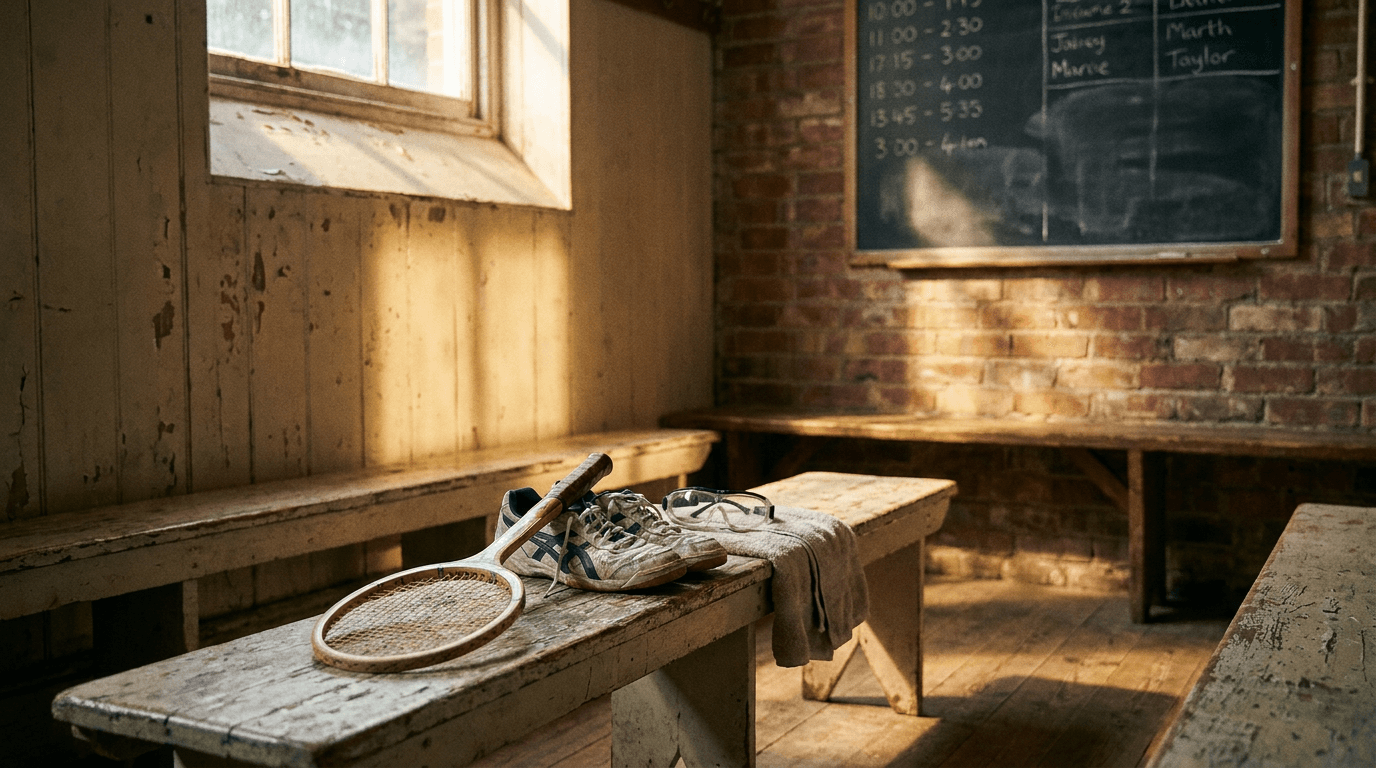
Squash is more club-centric than padel or tennis in most places. Courts are usually inside a private or semi-private club rather than a public park, and the social structure around finding a game reflects that: less drop-in, more membership, and a lot more emphasis on internal club systems than on open public sessions.
Most clubs run some version of a ladder or box league: a small group of players ranked or grouped together who challenge each other directly over a season, with movement up or down based on results. If you're new, joining the lowest box or bottom of the ladder is usually the fastest way into a steady stream of matches against players close to your level, without needing to find opponents yourself.
Outside the ladder system, club noticeboards and the front desk are still surprisingly effective, since most clubs know exactly who's looking for a hitting partner at any given time.
If you're not ready to commit to a ladder, ask the pro shop or front desk directly whether the club maintains an informal hitting-partner list. Many do, quietly, for exactly this situation. Being flexible on time, early mornings and lunch hours tend to have the most open slots, makes it considerably easier to slot into someone else's regular booking.
If navigating a new club's ladder system or waiting on a front-desk list feels like a lot of friction just to get a game, Rally matches you directly with squash players near you at your real level, so you can skip the club politics and get straight to playing.
If your club's whole system for finding a partner still runs through a group chat, our piece on group chat roulette covers why that's still the default, and what actually fixes it.
If padel or tennis are also on your radar, here's how to find a pickup padel game or a pickup tennis game near you, plus our guide to pickup game etiquette for playing with people you've just matched with.
Group Chat Roulette: Why Finding a Game Still Runs on Group Chats
Even with dozens of matchmaking apps out there, most padel, tennis, and squash games still get arranged in a group chat. Here's why that's still the default.
Read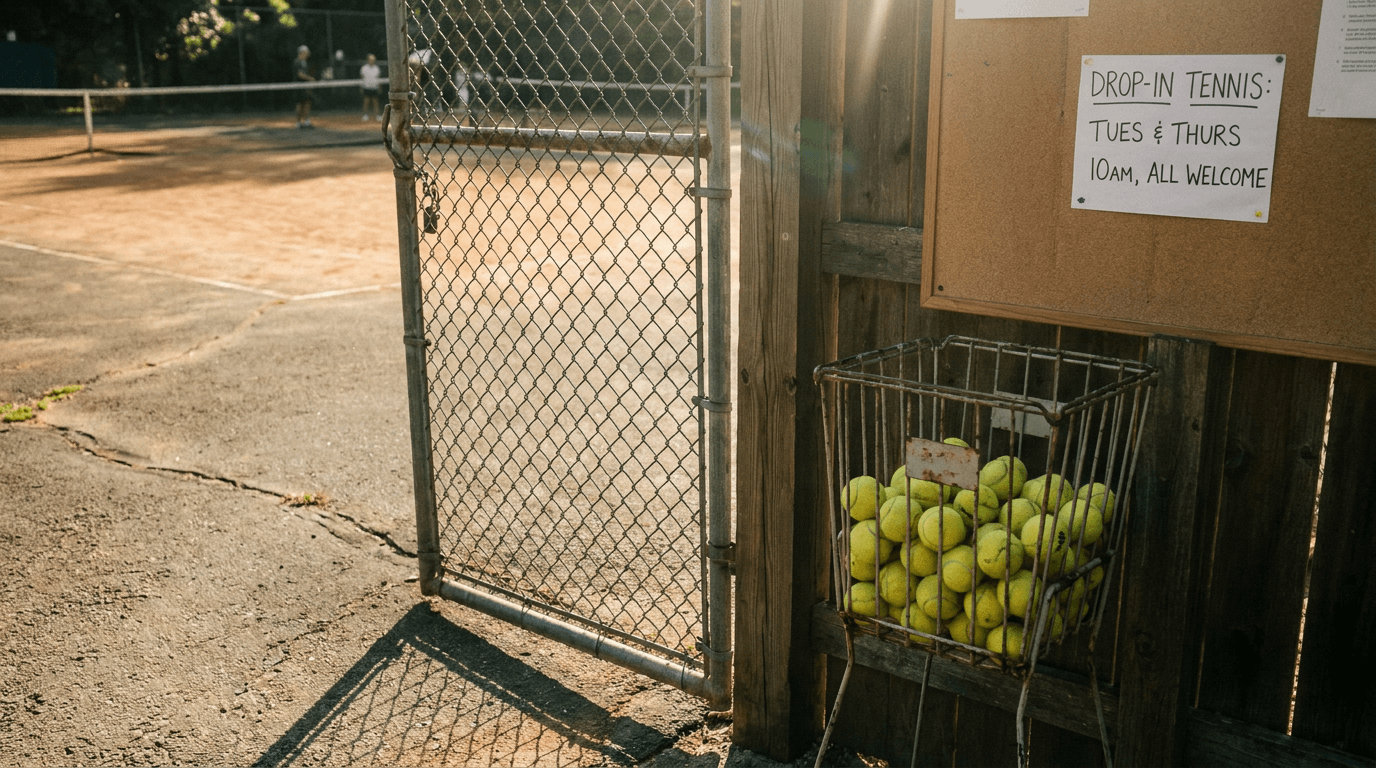
How to Find a Pickup Tennis Game Near You
Tennis has a reputation for needing a regular partner and a home club. Here's how to find real matches nearby without either one.
Read
How to Find a Pickup Padel Game Near You
You don't need a fixed group to play padel regularly. Here's where pickup games actually happen and how to get invited into one.
Read