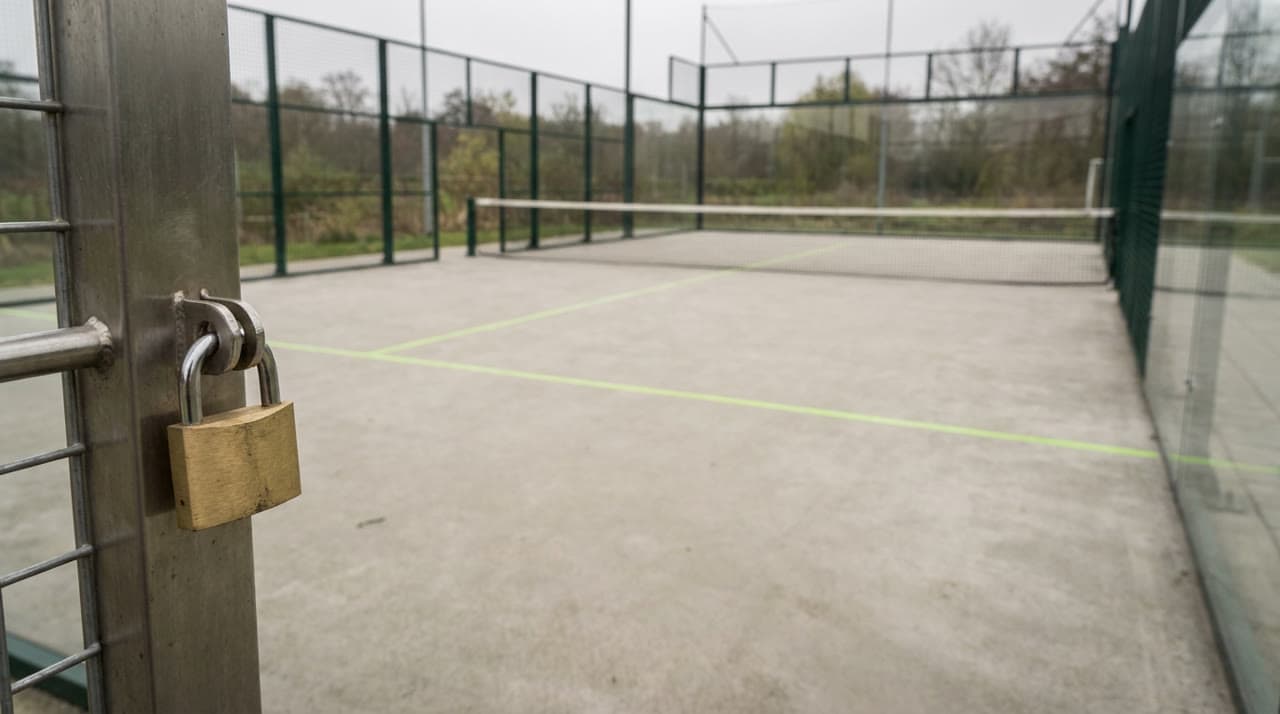
Booking platforms like CourtReserve and MATCHi solve the venue's half of this well: making a court easy to reserve, manage, and pay for. What they don't solve is the demand side, actually getting enough of the right players to want that specific slot at that specific time. A perfectly bookable court with nobody looking to fill it is still an empty court.
Rally approaches the same gap from the player's side. Players get matched to games based on their real level and availability, which means demand for court time is being generated and organized independently of any single venue's own marketing effort. When that demand needs a court, venues with visible, bookable off-peak availability are the ones positioned to catch it.
This isn't a replacement for a venue's existing booking system, it's upstream of it. Rally organizes player demand; your booking platform still handles the reservation itself. The practical effect for a venue is more of your off-peak inventory getting filled by players who were already looking for a game, not persuaded into one by a discount.
For the specific math behind this, see our breakdown of how idle court time adds up.
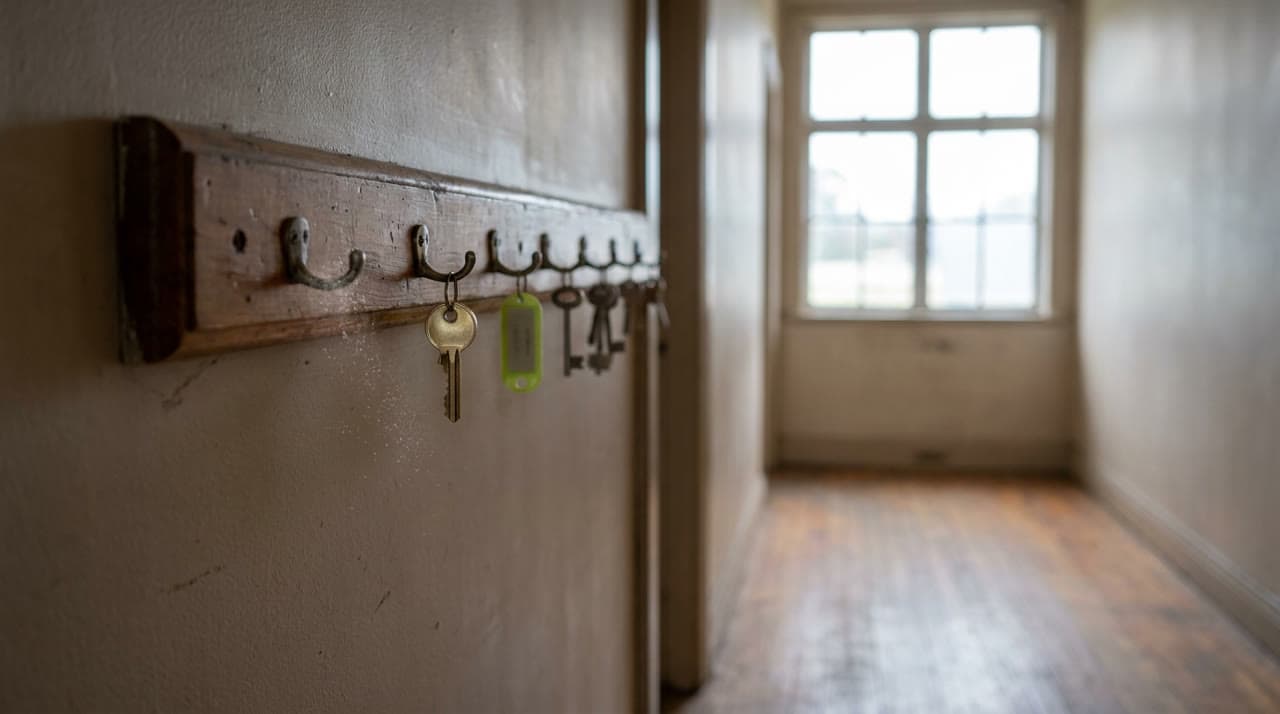
How Idle Court Time Adds Up (And What to Do About It)
A single empty hour doesn't look like much. Multiplied across a season, it's a number most venues underestimate.
Read
US Padel Growth in Numbers: From 100K to 500K Players in Two Years
Padel in the US went from a niche curiosity to a genuine growth story in a very short window. Here's what the numbers show, and what they don't.
Read
Padel Is the World's Fastest-Growing Racket Sport, and It Still Runs on Group Chats
Padel's global numbers are genuinely wild. Here's what the growth actually looks like, and why the way people organize a game hasn't caught up.
Read