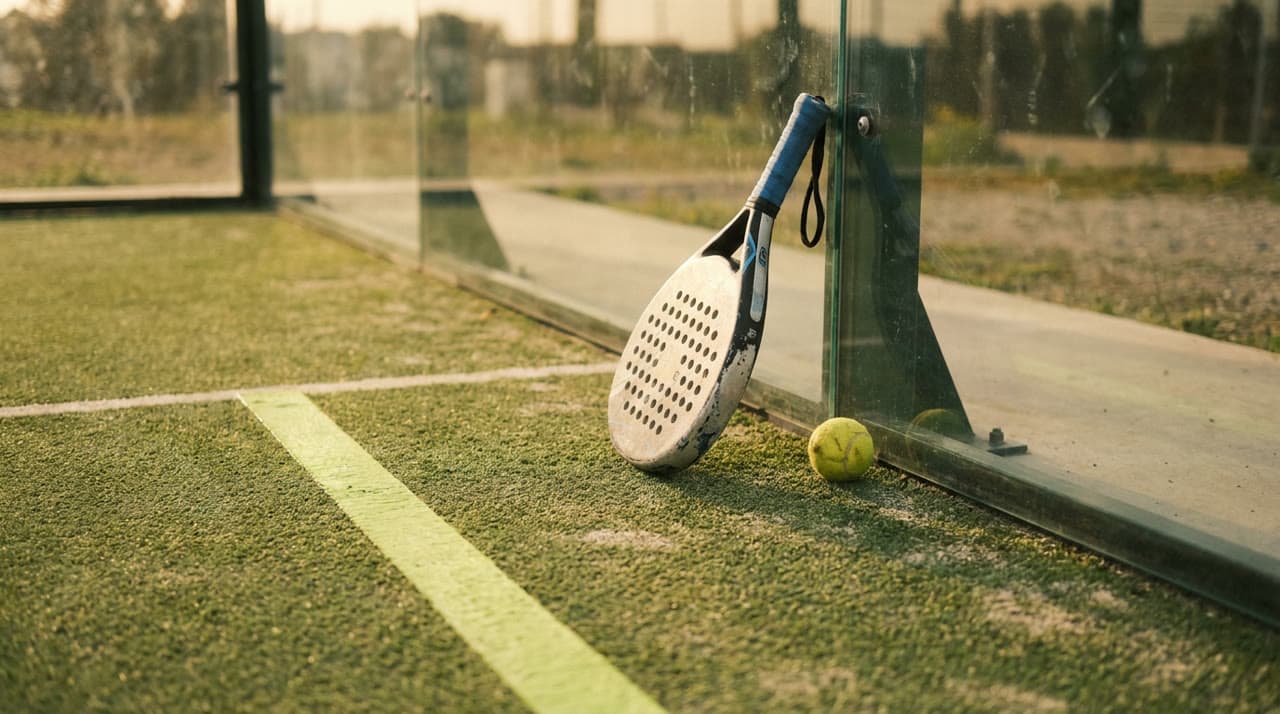
Padel's reputation for being beginner-friendly is mostly earned. The court is smaller than tennis, the underhand serve removes the hardest shot in racket sports from your first day, and the walls mean a mishit doesn't automatically end the point the way it would on an open tennis court. Most complete beginners can produce a real rally within their first hour, which is genuinely rare.
What surprises people is the wall play. Instinct says avoid the walls, but padel rewards using them deliberately, letting the ball rebound off the back glass before you hit it, which feels completely wrong the first several times you try it. Positioning as a pair also trips people up, since padel is a doubles-only sport and coordinating with a partner you may barely know adds a layer tennis and squash beginners don't have to deal with.
Comfortable, rally-sustaining padel usually takes somewhere between five and ten sessions for someone with general racket-sport or hand-eye coordination background, longer for complete athletic beginners. Wall play specifically tends to click somewhere around session four or five, often described as a switch flipping rather than a gradual improvement.
The single biggest thing that helps in the first month is playing with people slightly better than you rather than only with fellow beginners, since watching someone use the walls correctly speeds up the learning far more than reading about it. If you don't have that person in your existing circle, Rally can match you with padel players just a step above your level, close enough to be a fair, useful game.
Once you're ready for a real match, here's how to find a pickup padel game near you. And if you're starting without an existing group, here's how to actually get your first game.
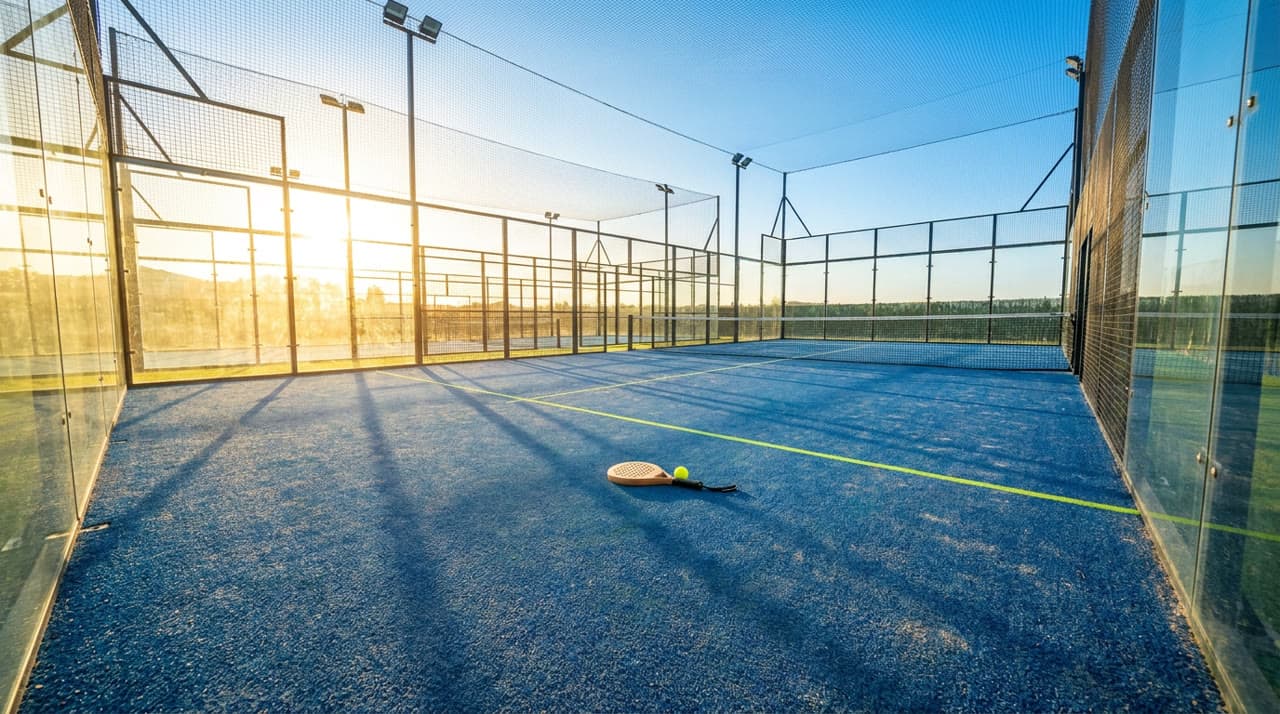
Starting a New Sport as an Adult, Alone: How to Actually Get Your First Game
Trying a new sport without an existing friend group is a specific kind of anxiety. Here's how to get past it and actually get on court.
Read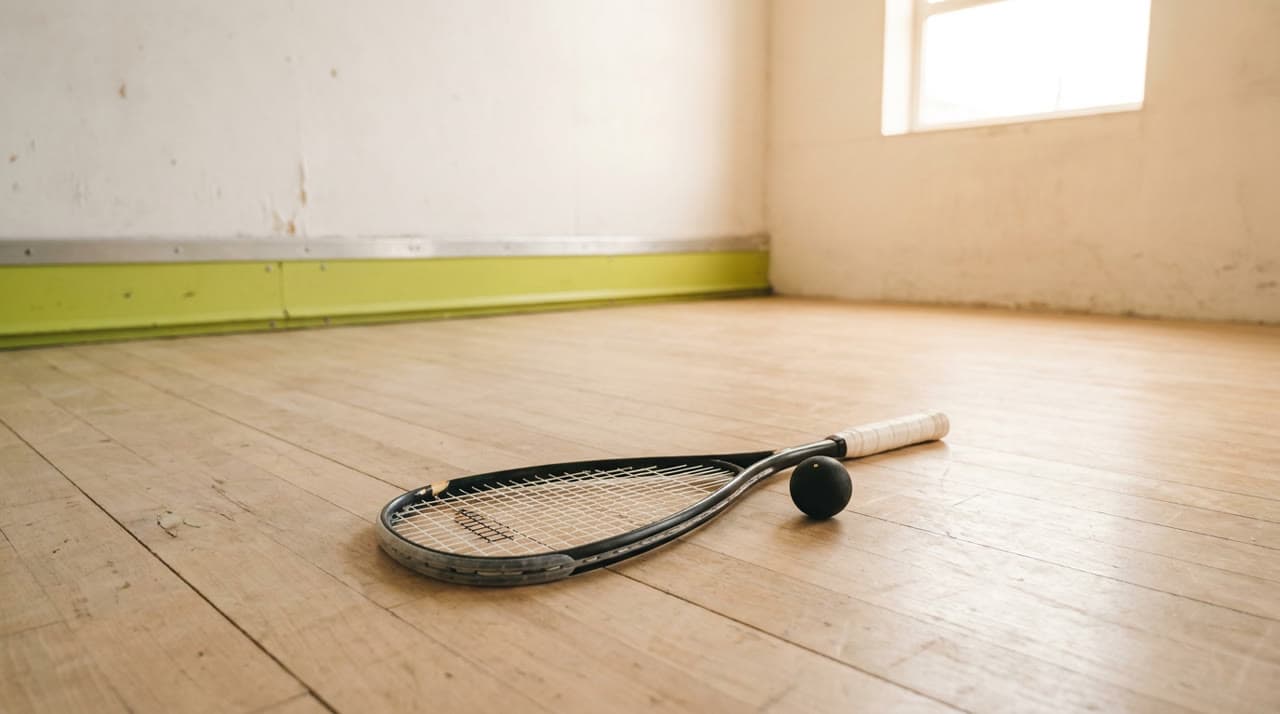
Squash for Complete Beginners: What to Expect Your First Game
Squash has a rougher first session than most racket sports. Here's what actually happens, why it's harder than it looks, and how to get through it.
Read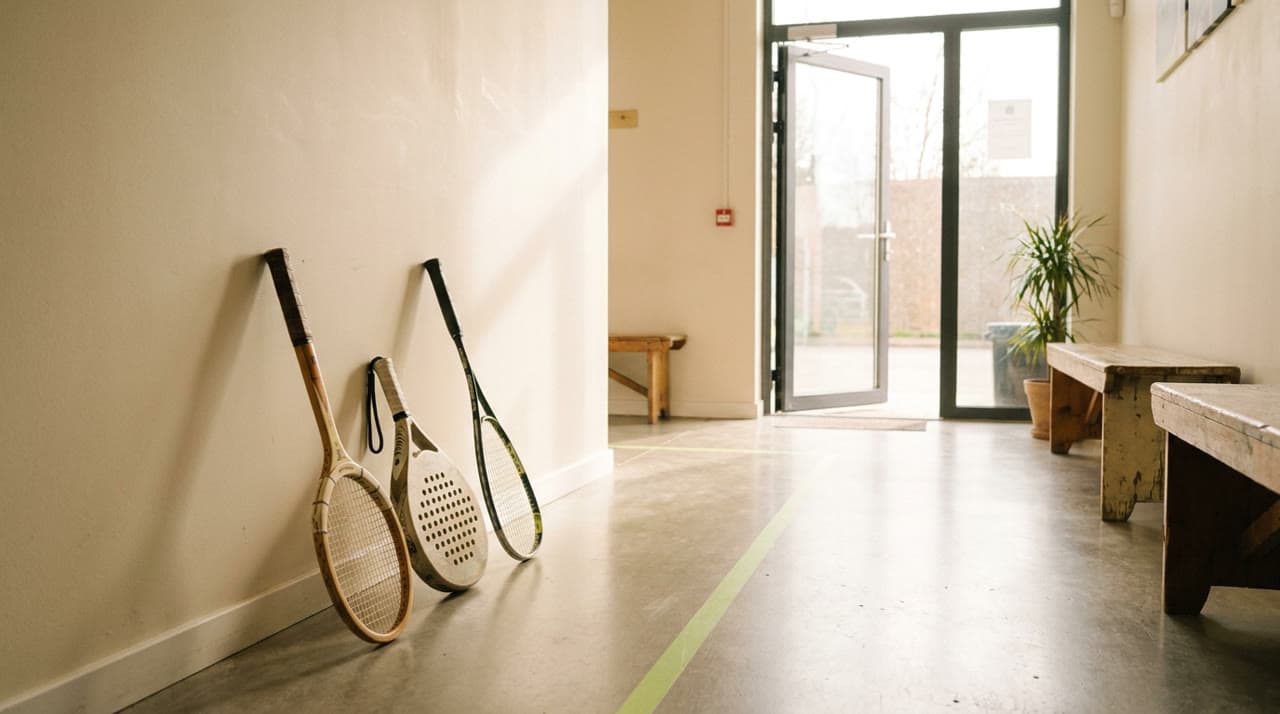
Padel vs. Squash vs. Tennis: Which Should You Learn First?
All three are racket sports, but they reward completely different things. Here's how to pick your first one based on what you actually want out of it.
Read