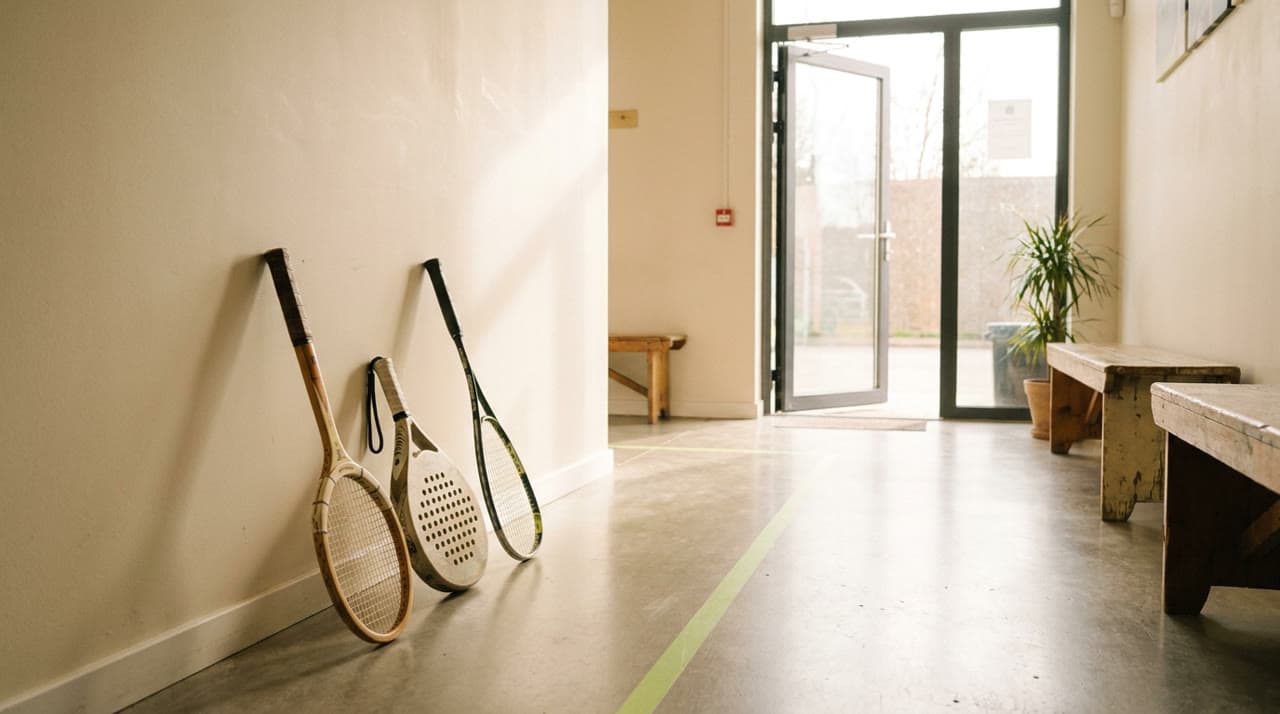
Padel, squash, and tennis all involve a racket, a ball, and an opponent, and people who've never played any of them assume they're roughly interchangeable. They're not. Each rewards a different combination of fitness, technique, and social setup, and picking the wrong one first can turn someone off racket sports entirely when a different one might have hooked them for life.
Squash has the steepest learning curve of the three but delivers the most intense fitness payoff, since you're moving constantly in a small enclosed space with no rest between points. New players often struggle with court movement and racket control before anything resembling a rally happens, which can be discouraging. But once the basics click, squash offers some of the best conditioning of any racket sport, full stop.
Tennis takes the longest to feel genuinely competent at, since a full court and no walls mean every mishit ball is gone rather than staying in play. But the ceiling is enormous: more tournaments, more coaching infrastructure, more visibility as a spectator sport, and a rating system, NTRP, that's more mature than padel's or squash's, which makes long-term progress easier to track and stay motivated by.
If you want fun fast and a built-in social group, start with padel. If you want the best fitness and don't mind a rough first month, start with squash. If you're playing a long game and want the deepest competitive structure to grow into, start with tennis. None of these are permanent choices, and plenty of Rally players end up playing all three once they've got one comfortable base to work from.
If you land on squash, our beginner's guide covers what your first session actually feels like. If padel wins out, here's an honest look at how hard it really is to learn. And if you're doing any of this without an existing friend group, here's how to actually get your first game.
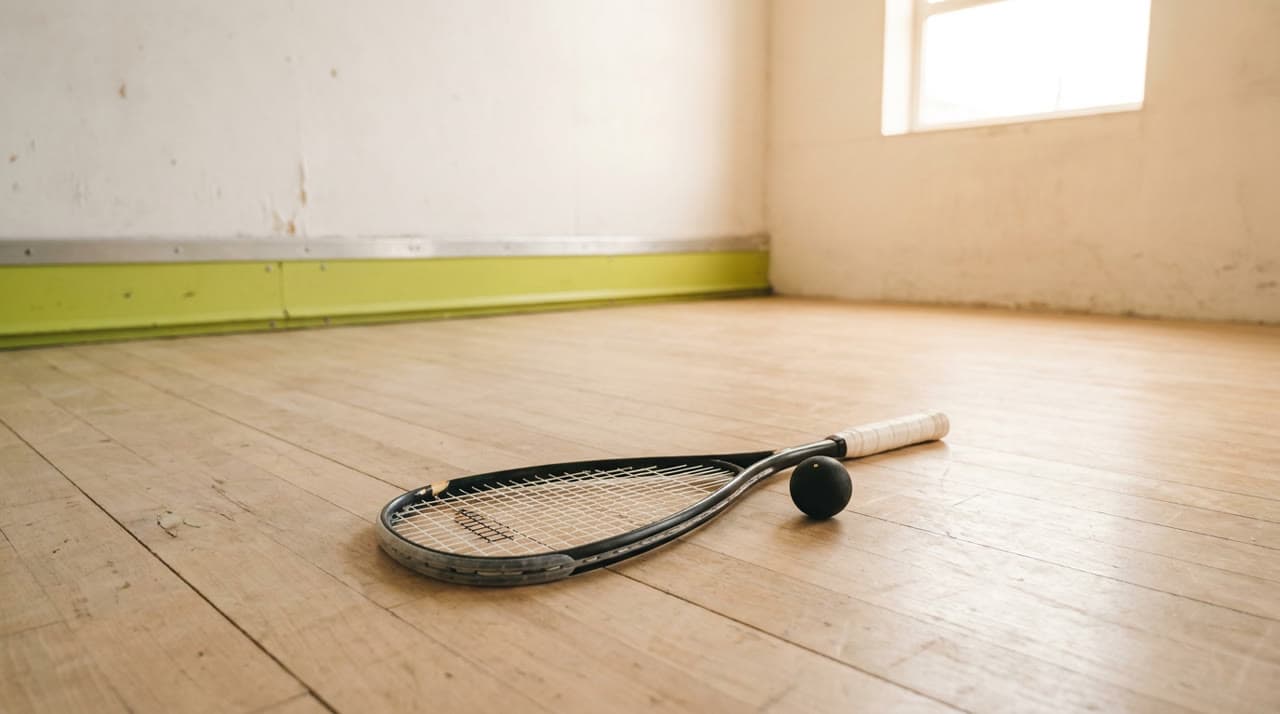
Squash for Complete Beginners: What to Expect Your First Game
Squash has a rougher first session than most racket sports. Here's what actually happens, why it's harder than it looks, and how to get through it.
Read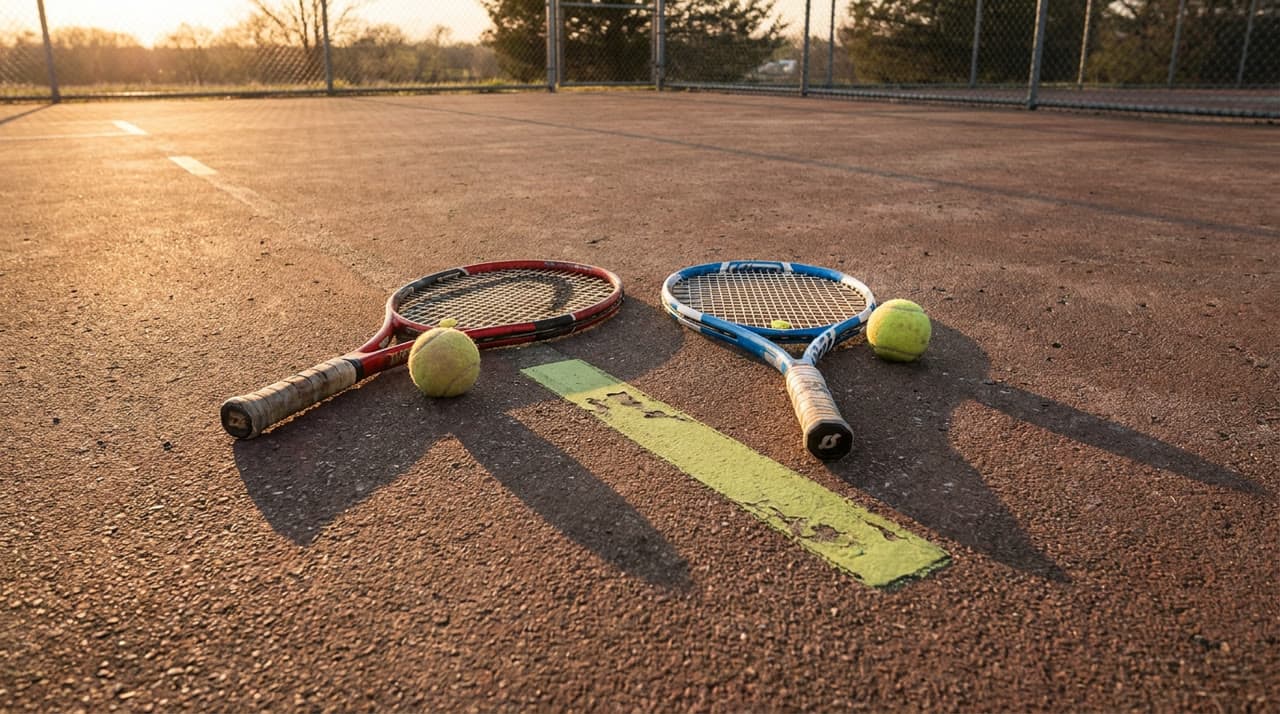
Pickup Game Etiquette for Playing With Strangers
Club etiquette guides assume you already know your regulars. Here's how to play well with people you just met through an app.
Read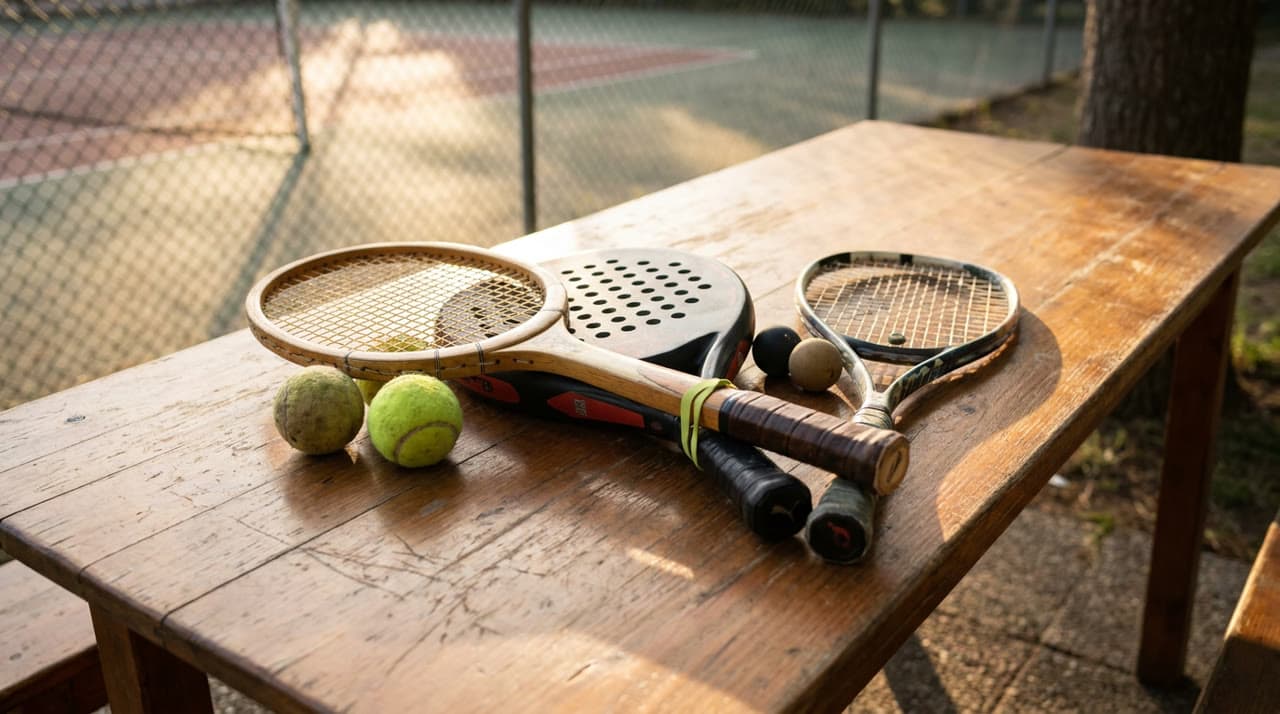
Group Chat Roulette: Why Finding a Game Still Runs on Group Chats
Even with dozens of matchmaking apps out there, most padel, tennis, and squash games still get arranged in a group chat. Here's why that's still the default.
Read