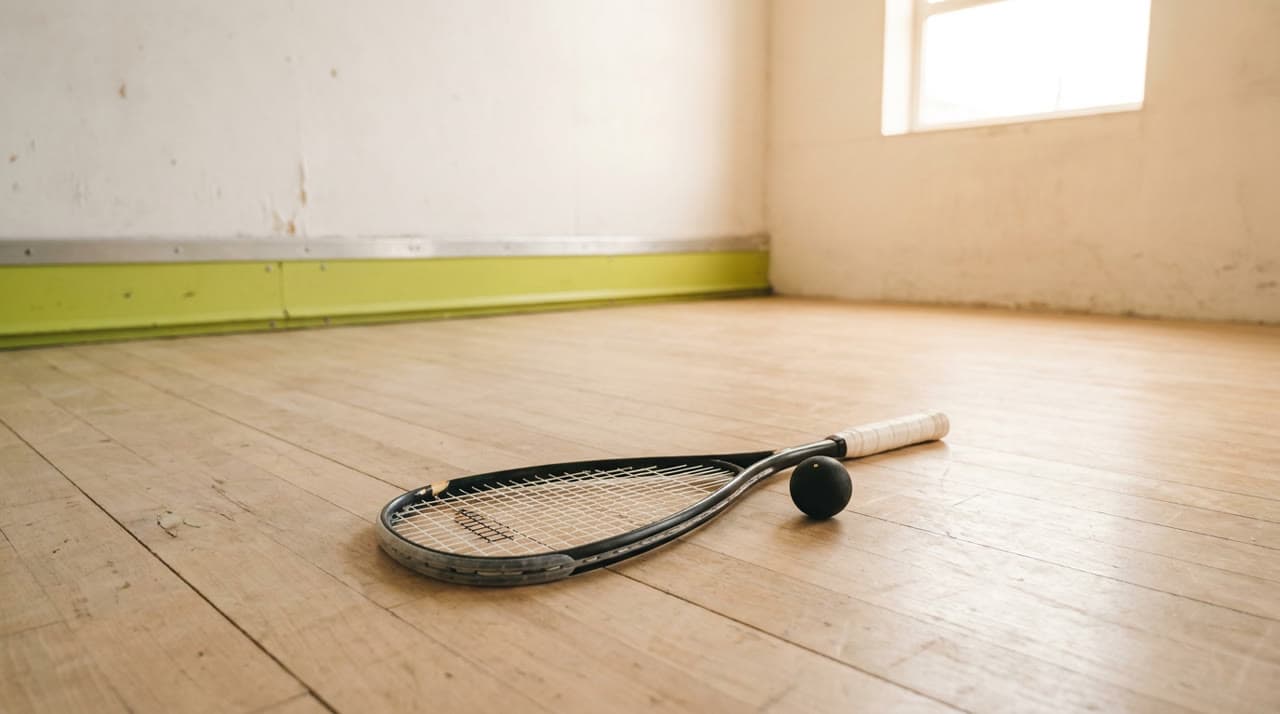
If your first exposure to squash is watching a rally between two decent players, your first session might come as a shock. The ball moves faster than it looks on video, rebounds off walls at angles that feel unpredictable until you've seen them a hundred times, and the court is smaller than most people expect, which turns "just returning the ball" into a genuine skill on its own.
The small enclosed court is exactly what makes squash both intense and hard to pick up. Unlike tennis or padel, there's no out-of-bounds to give you a beat to reset, the ball is always live off any wall, and your opponent is sharing the same small space as you, which adds a layer of court awareness beginners in other racket sports don't have to think about at all.
In your first few sessions, focus on three things and ignore everything else: getting the ball to the front wall consistently, returning to the T position, the center of the court, between shots, and staying aware of where your opponent is so you're not in their way. Shot accuracy and tactics can wait. Almost every beginner who sticks with squash past the first month improves fast once movement and basic contact stop requiring active thought.
Most squash clubs run beginner-friendly ladders or offer a few lessons specifically for new players, and both are worth using rather than trying to find a casual game cold. If a formal club system feels like a lot to commit to before you know if you'll like the sport, Rally matches you with other beginner and improver-level squash players nearby, so your first few real games are against people at a similarly rough starting point, not someone three years in.
Once you're ready for a real match, here's how to find a pickup squash game near you. And if you're starting without an existing group, here's how to actually get your first game.
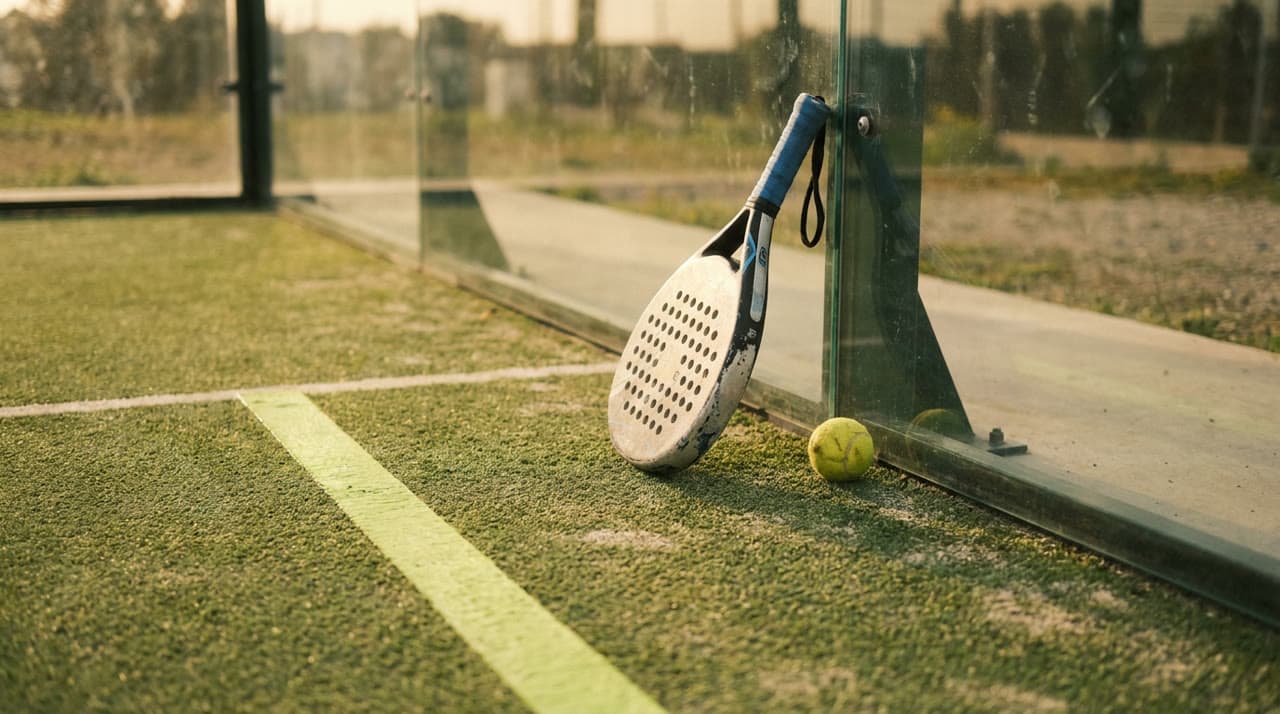
Is Padel Hard to Learn? An Honest Beginner's Guide
Padel gets marketed as easy to pick up. It mostly is, but a few things trip up almost every beginner. Here's the honest version.
Read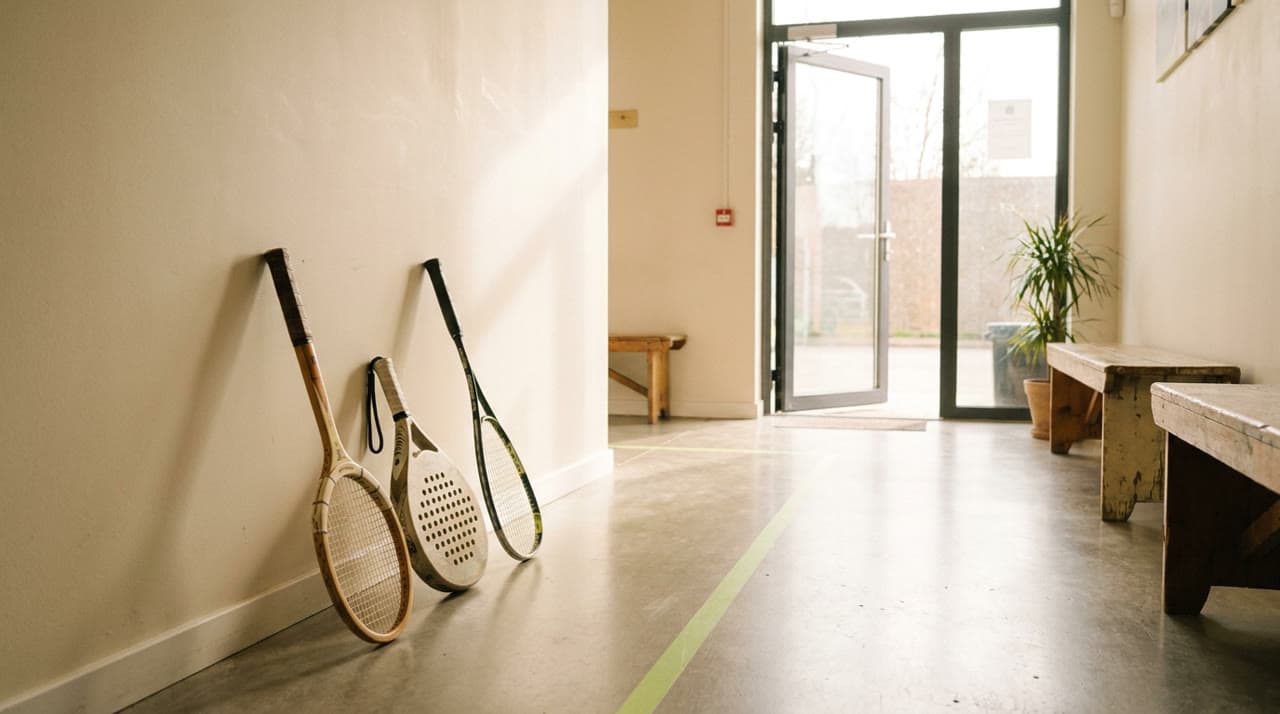
Padel vs. Squash vs. Tennis: Which Should You Learn First?
All three are racket sports, but they reward completely different things. Here's how to pick your first one based on what you actually want out of it.
Read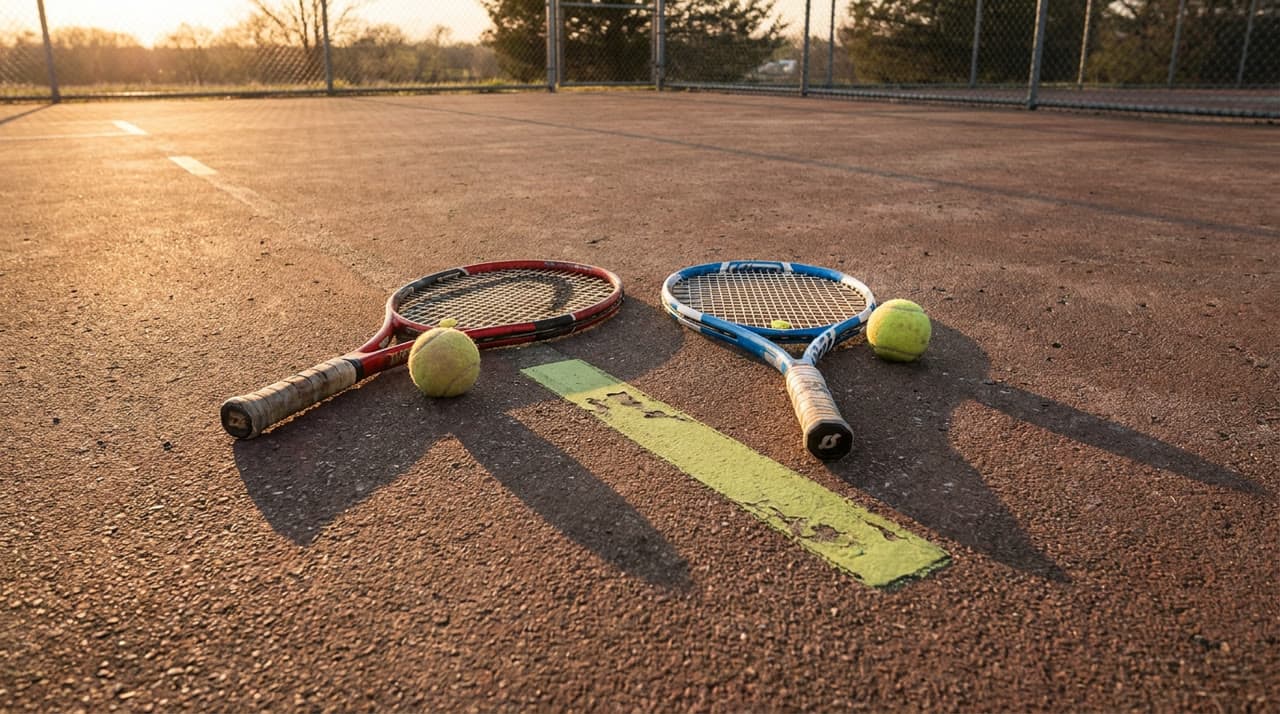
Pickup Game Etiquette for Playing With Strangers
Club etiquette guides assume you already know your regulars. Here's how to play well with people you just met through an app.
Read